





Reproductive Health in Women
Being a woman comes with a lot of responsibilities, shifts, and challenges. A woman’s body undergoes some drastic transformations, especially after adolescence until old age. This is due to the profound changes that take place inside the body, including reproductive, menstrual, fertility, pre and post-pregnancy, and menopause.
Reproductive health
Reproductive health is a fundamental component of a woman’s overall well-being, encompassing a wide range of mental, physical, emotional, and social aspects. It entails fertility, menstrual health, pregnancy care, childbirth, and the transition to menopause. Proper care in this area guarantees physical health, emotional stability, and quality of life.

Menstrual health
Menstrual health is often the primary gauge of reproductive well-being. Too much pain, irregular cycles, or unusual symptoms may signal underlying conditions such as reproductive disorder or hormonal imbalances that call for medical attention. Access to secure, reasonably priced reproductive healthcare permits early diagnosis and treatment of such conditions.
Fertility health
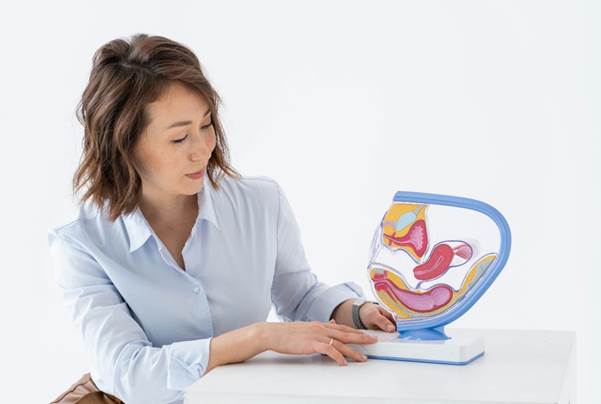
A woman’s fertility is a significant area in women’s reproductive health as it supports women who want to get pregnant or are thinking of getting pregnant. Preconception care, such as nutritional guidance on the best foods and nutrients to eat, folic acid intake, and management of chronic conditions, helps improve pregnancy outcomes. During pregnancy, regular antenatal visits are crucial for one-to-one care of maternal and fetal health, ensuring a safe delivery, and reducing complications.

Postnatal Health
Postnatal care is equally important, focusing on recovery after childbirth, breastfeeding support, and emotional well-being. Conditions such as postpartum depression require attention and support to ensure long-term mental stability.

Menopause
Menopause is a stage that no one can get away with; it’s a significant stage of a woman’s life. This is a significant phase, marked by hormonal changes that can affect physical and emotional health. Symptoms such as hot flashes, mood changes, and bone density loss can be managed through lifestyle adjustments, medical care, and hormonal or non-hormonal therapies when necessary.
Generally, reproductive health care empowers women to make informed decisions, maintain bodily autonomy, and experience healthier life transitions at every stage.


